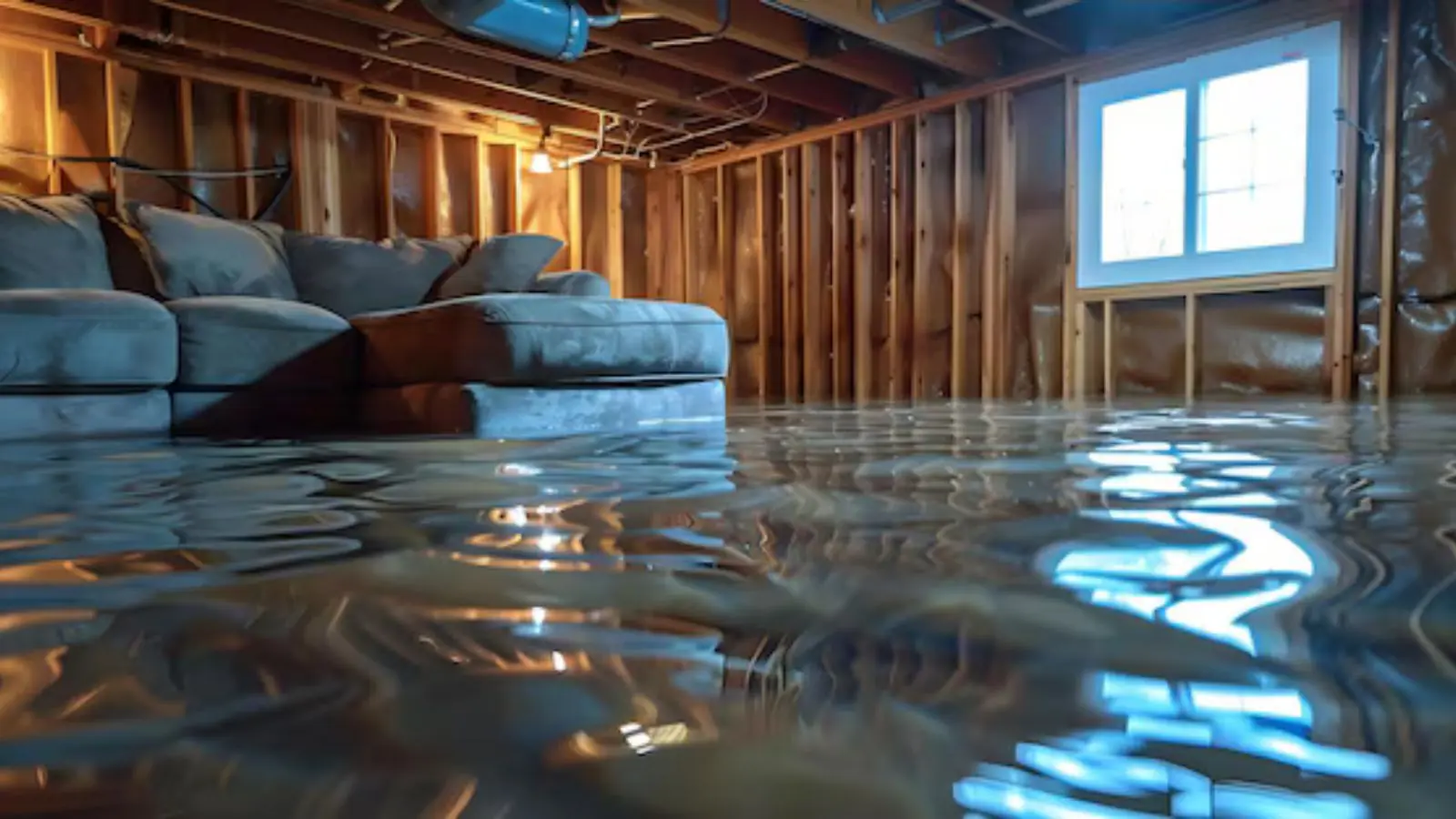
Carpet Still Soaked and Walls Wet to the Touch?
If the leak has been fixed but the carpet squishes, the baseboards feel cold and damp, or the wall seems wetter than it looks, the job is not finished. Moisture is still inside the materials. The trade term for stopping that damage is water mitigation, and it is the step between the leak and the repair.
This is an emergency service because the first day matters most. Our line is open 24/7. While you wait for a crew, shut off the water at the main valve if the source is still running, move furniture and electronics off wet floors, and turn off power to wet areas only if you can do it safely from a dry spot.
What Water Mitigation Means
Water mitigation is the work done in the first 24 to 72 hours after a loss to limit how far the water spreads and how long materials stay wet. It includes stopping or isolating the source, removing standing water, setting up drying equipment and mapping moisture so the crew knows what is wet and what is dry.
It is different from repair. Mitigation protects the structure and the clock. Water damage repair rebuilds what could not be saved. The EPA advises drying water-damaged areas and items within 24 to 48 hours to prevent mold growth, which is why mitigation comes first.
Drying goals and the practice of recording moisture readings are described in the ANSI/IICRC S500 standard, which is why readings, and not how a room feels, decide when drying is finished. What to do while equipment runs: keep doors and windows closed in the work area and leave the equipment powered. What not to do: do not move or switch off air movers, since that can leave pockets wet.
Structural Drying
Structural drying is the core of mitigation. Wet drywall, framing, subfloors and flooring hold water far longer than the surface suggests, so the goal is to bring each material back to a normal moisture reading and prove it with a meter. Air movers push dry air across wet surfaces while dehumidifiers pull moisture out of the air so the water has somewhere to go.
Crews take readings on day one and again each visit, adjusting equipment until the numbers match unaffected parts of the home. Thermal imaging helps find wet areas behind walls, and the log of readings becomes a record you can share with your insurer.
| Equipment | What it does | Why it matters |
|---|---|---|
| Moisture meter | Reads moisture inside drywall, wood and subfloor | Shows what is truly wet and when it is dry |
| Thermal imaging camera | Shows temperature differences behind surfaces | Finds hidden wet areas without tearing into walls |
| Air mover | Moves air across wet surfaces | Speeds evaporation from floors and walls |
| LGR dehumidifier | Removes moisture from the air | Lets the structure keep releasing water |
| Extraction unit or pump | Removes standing water | Gets the bulk of the water out first |
Wet materials that have not started drying?
Call the 24/7 line. A crew can be sent the same day when available.
Beverly Hills Properties and the Drying Clock
Large homes in Trousdale Estates and the Flats often have long runs of hardwood, stone and plaster that need controlled drying so they do not crack or cup. Condos along Wilshire Boulevard add another wrinkle, since drying equipment has to be set up without disturbing neighbors and with building management's approval.
Water can also travel. A leak above a ceiling in a multistory home can soak insulation, run down a wall cavity and show up two rooms away. That is why mitigation starts with moisture mapping and not with the stain you can see.
What Affects the Cost of Water Mitigation
Mitigation is priced by how much equipment is needed and how long it runs. These five factors set most of the cost.
Water category
Gray and black water need removal and cleaning steps added to drying.
Affected area
More wet square footage needs more air movers and dehumidifiers.
Materials involved
Hardwood, plaster and stone dry slower than carpet and basic drywall.
Drying days and equipment
Equipment counts and days on site are the largest driver of mitigation cost.
Rebuild scope
Mitigation is priced apart from repairs, so you can see each piece.
Covered or not usually turns on whether the water event was sudden or slow. Check your policy or ask your insurer. For a figure tied to your property, call (424) 550-5662 and ask for the scope and price in plain terms before anything starts.
Common questions
Call the emergency line. The leak being fixed does not dry the carpet, pad or the subfloor beneath. Crews extract water, check moisture and set drying equipment before mold has a chance to begin.
Yes. Calls to the line are picked up at any hour, including weekends and holidays. A crew is sent the same day when one is available, and you will get steps to follow while you wait.
Rental centers do rent equipment, but drying without moisture readings is guesswork, and materials can look dry while the framing is still wet. We do not offer equipment rental as a standalone service, and we recommend having the structure checked with a meter.
It depends on the materials, how wet they were and the conditions in the home. Crews check moisture on each visit and stop when the readings match unaffected areas, so the end is set by the meter and not by a fixed number of days.
Sudden and accidental water damage is often covered. Gradual leaks and neglect often are not. Read your policy or ask your insurer, and keep the moisture readings and photos the crew provides.
If standing water is still present, call about emergency water removal first. If the water was contaminated, water damage cleanup covers the removal and sanitizing that comes with it. We also dispatch to the neighboring city, so see West Hollywood water mitigation coverage if the loss is east of Beverly Hills.