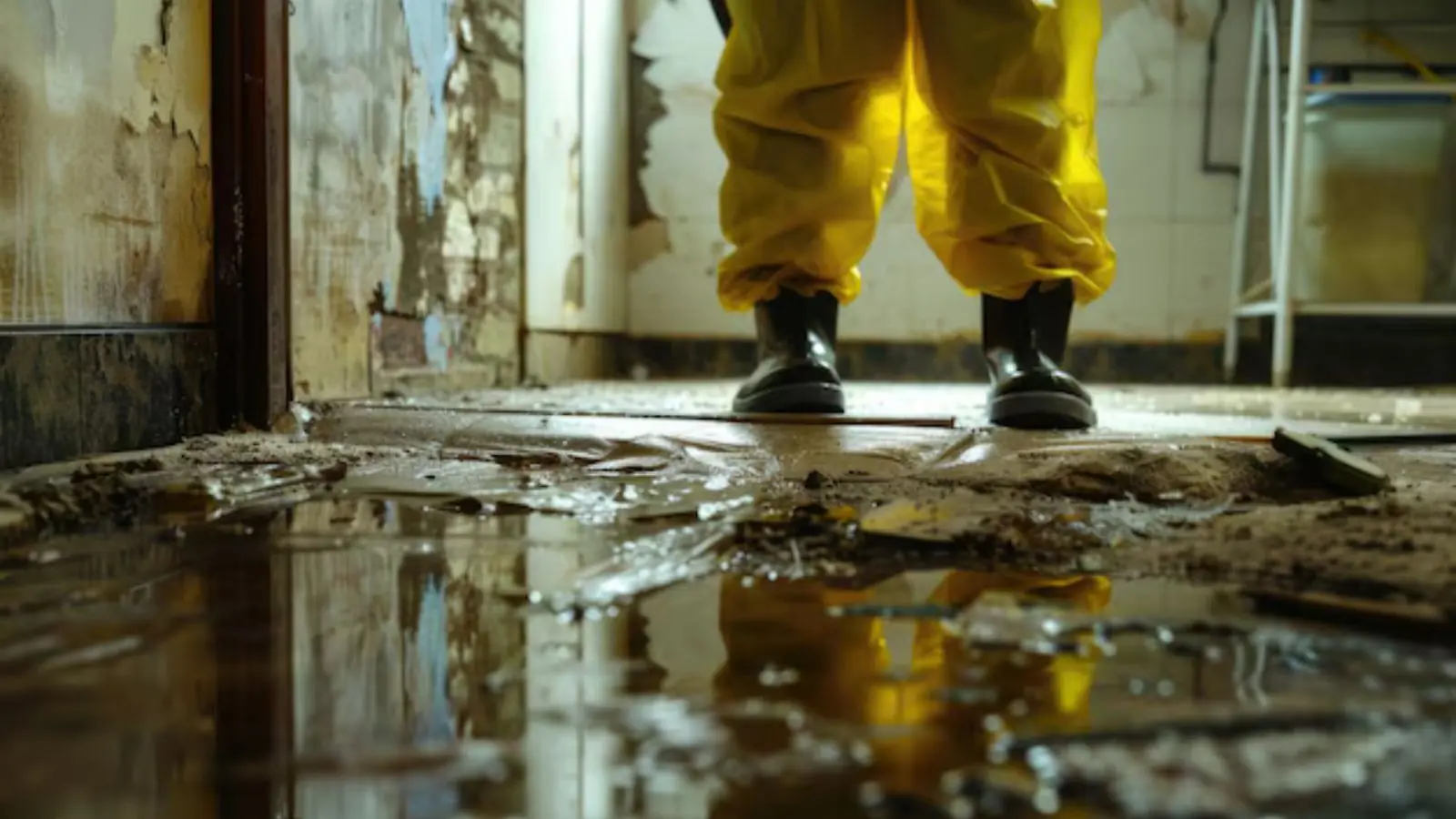
The First 48 Hours After Water Damage
If water has soaked your floors, contents or walls, treat cleanup as urgent. Our line is open 24/7, and the first 48 hours decide how much can be saved. While you wait for a crew, stop the source and shut off the main water valve, lift valuables and paper goods off wet surfaces, open windows if the weather allows, and keep people and pets out of any water that might be contaminated.
Water damage cleanup is what happens once the source is stopped. Crews remove wet debris and materials that cannot be saved, sort what can stay, then clean, sanitize and deodorize the surfaces that remain. Drying the structure is a separate job, handled under water mitigation, and the two usually run side by side.
When cleanup cannot wait
Some situations should be handled right away, since waiting makes the cleanup harder.
- Water that came from a toilet, sewer line, washing machine or the outdoors
- Carpet and pad that have been wet for more than a day
- A musty smell that appeared after the leak
- Wet drywall, insulation or cabinet bases that feel soft
- Stored boxes, books or fabric sitting in or near the water
What Gets Removed and What Can Be Saved
Porous materials soak up water and anything the water carried, so they are the first to go when the water was dirty. Hard surfaces can usually be cleaned and kept. The decision depends on the water category, how long the material stayed wet and what it is made of.
| Material | Clean water, caught quickly | Gray or black water |
|---|---|---|
| Carpet | Often extracted and dried in place | Usually removed and replaced |
| Carpet pad | Often replaced | Removed and discarded |
| Drywall and insulation | Often dried if firm and unstained | Cut out and removed |
| Hardwood and tile | Cleaned and dried, then evaluated | Cleaned and treated, damaged sections replaced |
| Upholstery and mattresses | May be cleaned if dried quickly | Generally discarded |
| Cabinets and trim | Often dried and kept | Cleaned and treated, or replaced if porous |
Cleaning and Sanitizing After Gray or Black Water
When the water came from a toilet, sewer, washing machine or floodwater, cleanup is a hygiene job as well as a drying job. Crews wear protective gear, bag and remove materials that cannot be cleaned, wash hard surfaces and apply treatment to what remains. The EPA advises calling a professional with experience cleaning buildings damaged by contaminated water.
That is not a job for a bucket and a mop. Contaminated water carries material that spreads easily, and cleaning without removing the wet porous layer underneath leaves the problem in place. If you are unsure about the water source, treat it as contaminated until a crew has looked.
Not sure what to keep and what to toss?
Call the 24/7 line and describe what got wet. The scope and price are explained before any work starts.
Odors, Fine Contents and Honest Limits
A musty smell after water damage usually means something is still wet, so deodorizing without drying only covers the problem. Crews find the damp material, remove or dry it, clean the surfaces and then address the odor. If the smell returns, moisture is usually still present.
Fine art, antiques, custom rugs and family photographs need different care. A restoration crew dries and cleans the structure, but irreplaceable contents belong with a specialist. If your home holds items like these, move them out of the water yourself if it is safe, photograph them for your insurer and ask a conservator or your insurer for guidance.
According to the ANSI/IICRC S500 standard, water is sorted into three categories, and the category decides how much has to be removed and how surfaces are cleaned. What to do first: separate wet contents from dry ones, keep children and pets out and wait for the scope before throwing anything away. What not to do: do not use household bleach and ammonia products together.
Cleanup in Beverly Hills Homes and Condos
A wet kitchen in the Flats and a flooded bathroom in a Wilshire corridor condo are very different cleanups. Condos often involve shared walls and floors, so cleanup has to coordinate with building management and sometimes with the unit below. Larger homes in Trousdale Estates may have several wet rooms across levels, and the sorting of materials takes longer.
Retail and office tenants in Downtown Beverly Hills should photograph the damage and notify the landlord in writing before debris is removed. Both your insurer and the building owner may need those records.
Remove water and debris
Standing water and wet debris are removed, and damaged materials are bagged.
Sort what is wet
Materials are checked with a meter and sorted into dry, salvageable and discard.
Clean and sanitize
Surfaces are cleaned and treated, with extra steps after gray or black water.
Deodorize and verify
Odor sources are addressed, then moisture and cleanliness are checked before rebuilding.
What Affects the Cost of Water Damage Cleanup
Cleanup is priced by how much has to be removed and how dirty the water was. These five factors move the number most.
Water category
Gray and black water add removal, protective gear and treatment steps.
Affected area
More rooms and more wet square footage mean more labor and disposal.
Materials involved
Porous materials like carpet and drywall come out more often than hard surfaces.
Drying days and equipment
Cleanup and drying run together, so the equipment schedule affects the total.
Rebuild scope
What replaces the removed materials is priced separately, afterward.
Many policies cover abrupt events and exclude gradual seepage and neglect. Check your policy or ask your insurer. Want a number for your address? Call (424) 550-5662 and the plan and price are explained first.
Common questions
Yes. Someone answers the line around the clock, and a crew is sent the same day when one is available. The dispatcher will tell you what to do while you wait.
Water from toilets, sewers, washing machines and the outdoors is treated as contaminated. Clean water can degrade over time as materials stay wet. When in doubt, assume contamination and keep people and pets out until a crew has looked.
Sometimes. Carpet that got clean water and is extracted quickly can often be dried in place, while the pad is usually replaced. Carpet soaked with gray or black water is generally removed.
Not usually. A lingering musty smell means something is still damp. The crew finds the wet material and removes or dries it, then deals with the odor.
Photograph the damage before anything is moved, keep receipts, and save any moisture readings and drying logs. Your insurer decides what is covered, so ask them what they need.
Once the debris is out and the structure is dry, water damage repair rebuilds what was removed. If water is still standing on the floor, emergency water removal is the first step. We serve the ZIP codes 90210, 90211 and 90212 in Beverly Hills, and the same crews cover West Hollywood next door.