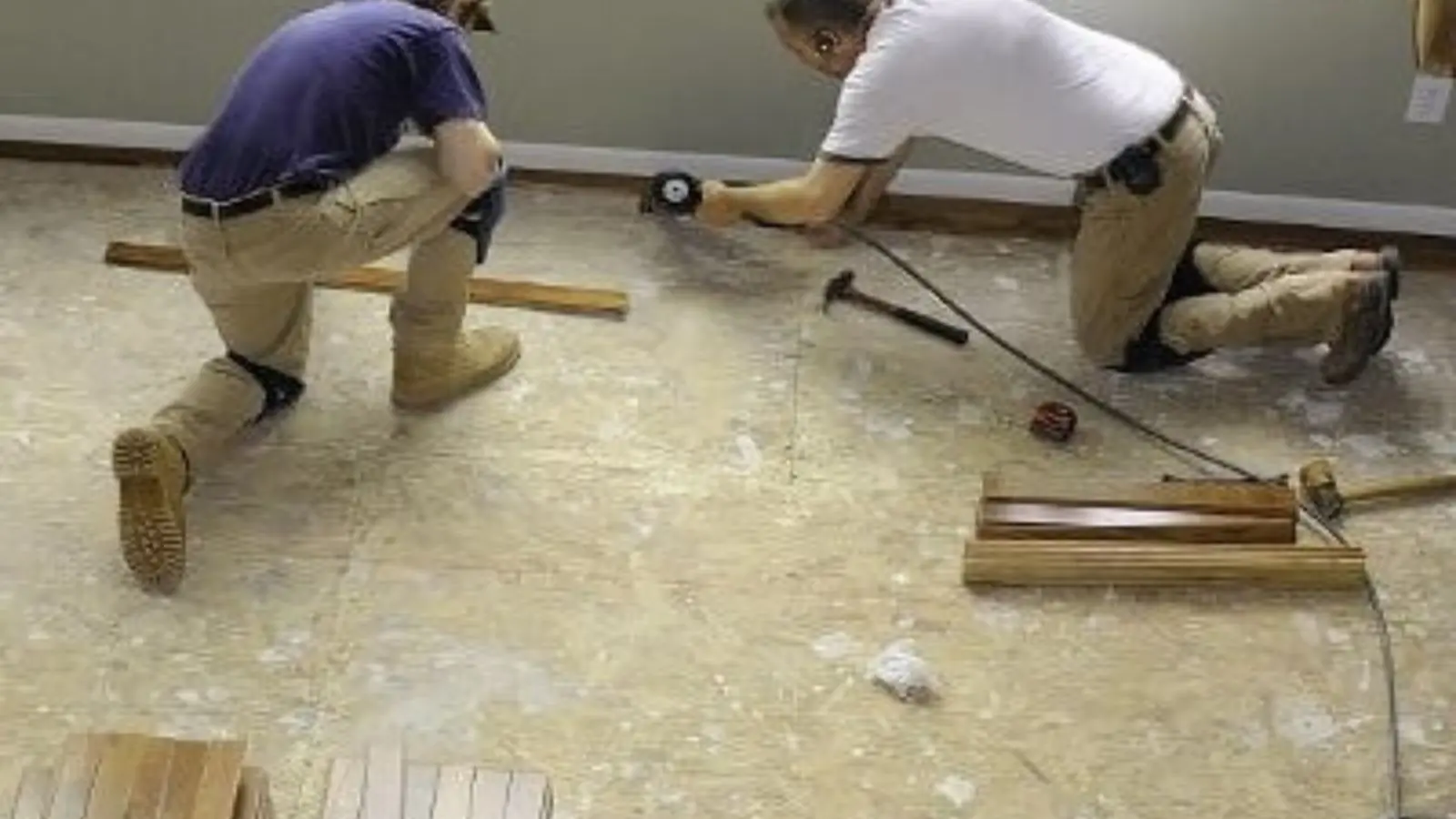
What Water Damage Repair Includes
Water damage repair in Beverly Hills starts after the structure is dry. It is the rebuild: cutting out and replacing drywall and insulation, repairing ceilings and walls, refinishing or replacing floors, and bringing paint, trim and cabinetry back to the condition they were in before the leak. The work only holds up if drying came first, which is why a repair quote should follow a moisture reading and never a guess.
If water is still moving or materials are still wet, begin with water mitigation. Rebuilding over damp framing is how stains return and mold gets started. Once readings are back to normal for your home, repair planning can begin in earnest.
Signs Your Property Needs Repair, Not Just Drying
What homeowners describe first
Few people open with the words water damage. These are the symptoms that usually come first.
- A brown or yellow ring on a ceiling or wall that grows after rain or after the upstairs shower runs
- Paint that bubbles, peels or feels soft when pressed
- Drywall that crumbles, sags or sounds hollow when tapped
- Baseboards or door casings that swell or pull away from the wall
- Hardwood boards that cup at the edges or lift off the subfloor
- A musty smell in a closet, cabinet or bathroom corner
- A soft spot in the floor near a toilet, tub or dishwasher
Ceiling and Wall Water Damage Repair
A stained ceiling is rarely the whole story. Water follows framing, pipes and drywall seams before it shows itself, so the visible mark can sit several feet from the actual leak. A bathroom ceiling in a Wilshire Boulevard condo, for example, may be catching water from the unit above and not from anything in your own walls. Roof leaks, air conditioner condensate lines and failed shower pans leave the same kind of stain.
Repair begins by finding and fixing the source, then opening the wall or ceiling far enough to see how far the moisture traveled. Wet insulation and soft drywall come out, the framing is dried and checked with a meter, and new board is hung, taped, textured and painted. Spot-priming over a stain without that work is the most common reason a mark reappears a few months later.
When the leak came from a neighbor's unit or a building system, report it to building management in writing and photograph the damage before anything is touched. Your insurer and the other party may both ask for those records.
Hardwood Floor Cupping and Drying
Hardwood takes on moisture from below as well as from above, so boards can cup after a dishwasher leak, a failed washing machine valve or an air conditioner condensate line that backed up unnoticed. Cupping means the board edges rise higher than the center. Sanding too early is a common mistake because the boards are still wet and will flatten again, leaving ridges behind.
The sequence that works is drying first, then waiting while readings settle, then deciding whether the floor can be sanded and refinished or whether damaged boards must be replaced. Species, thickness and finish all matter, and walnut, oak and engineered planks behave differently. If your floors are custom or wide plank, matching replacement boards can change the plan, so bring photos of the original.
| Material | Often saved when | Often replaced when |
|---|---|---|
| Drywall | It was wet briefly with clean water and dries to normal readings without swelling | It sags, crumbles, is stained through, or was soaked by gray or black water |
| Insulation | It is dry and shows no staining | Wet fiberglass or cellulose stays damp and compresses |
| Hardwood floor | Cupping is mild and boards flatten as they dry | Boards crown, split or delaminate, or the subfloor is compromised |
| Carpet and pad | Carpet may be saved after fast extraction of clean water | Pad is usually replaced, and carpet too when the water was gray or black |
| Baseboards and trim | Pieces are dry and unswollen and can be removed and reinstalled | Pieces are warped, swollen or stained through |
Have a stain or soft spot you want looked at?
Call and describe it. The scope and price are explained before any work starts.
What Affects the Cost of Water Damage Repair
Repair is priced by what has to be rebuilt, so two homes with the same leak can end up with very different totals. These five factors move the number most.
Water category
Gray or black water means more materials are removed and replaced.
Affected square footage
A single ceiling patch and a whole wall run are different jobs.
Materials and finishes
Plaster, custom millwork, stone and wide-plank hardwood cost more to match than basic drywall.
Drying days and equipment
The structure has to finish drying before rebuilding starts, and that time is part of the schedule.
Rebuild scope
Drywall alone is one scope. Add flooring, cabinets and paint and it grows.
Policies usually split sudden damage from gradual damage, and the split decides much of what is covered. Check your policy or ask your insurer what applies. To price your own loss, call (424) 550-5662. Scope and cost are laid out before any equipment is set.
What to do before repair starts: confirm the leak is fixed, ask for the drying readings and check that the structure reached a dry standard in line with the ANSI/IICRC S500 approach. What not to do: do not close up a wall, paint a stain or lay new flooring over materials that have not been measured as dry.
Permits, Licenses and Contracts in Beverly Hills
Rebuild work can trigger permits depending on scope. Section 9-1-107 of the Beverly Hills Municipal Code outlines when permits are required, and the Permit Center in the city's Community Development Department can be reached at (310) 285-1141. Permit rules vary by project, so ask before assuming a repair is exempt.
Los Angeles County consumer guidance says contractors need a state license for work involving $1,000 or more in labor or materials, and that you can check a license at cslb.ca.gov. The same guidance advises paying no more than $1,000 or 10 percent as a down payment, whichever is less, and getting a written contract that lists the scope, price and schedule.
Common questions
Repairs begin once moisture readings show the framing and subfloor at normal levels for your home. For many jobs that is several days after the drying equipment goes in, but it depends on the materials and how wet they were.
Only when the source is fixed and the material is dry and sound. Primer over wet or soft drywall hides the problem for a while, and the stain tends to return.
That depends on the cause, your building's rules and the policies involved. Photograph the damage, report it to building management in writing and ask your insurer how to proceed. A restoration company can document the scope but cannot decide fault.
No. A plumber or roofer fixes the source, and repair rebuilds what the water damaged. Both are needed, and the source always comes first.
Repair follows remediation once the area passes clearance. Our mold remediation page explains the sequence.
Yes. West Hollywood has its own permit office, covered on our West Hollywood page.
Beverly Hills properties often carry finishes that are harder to match than builder-grade materials. Tell us what you know about the paint, millwork and flooring, and the scope will account for it. If the floors are soaked and nothing has been dried yet, emergency water removal comes first, and a heavy cleanup after contaminated water is covered under water damage cleanup.