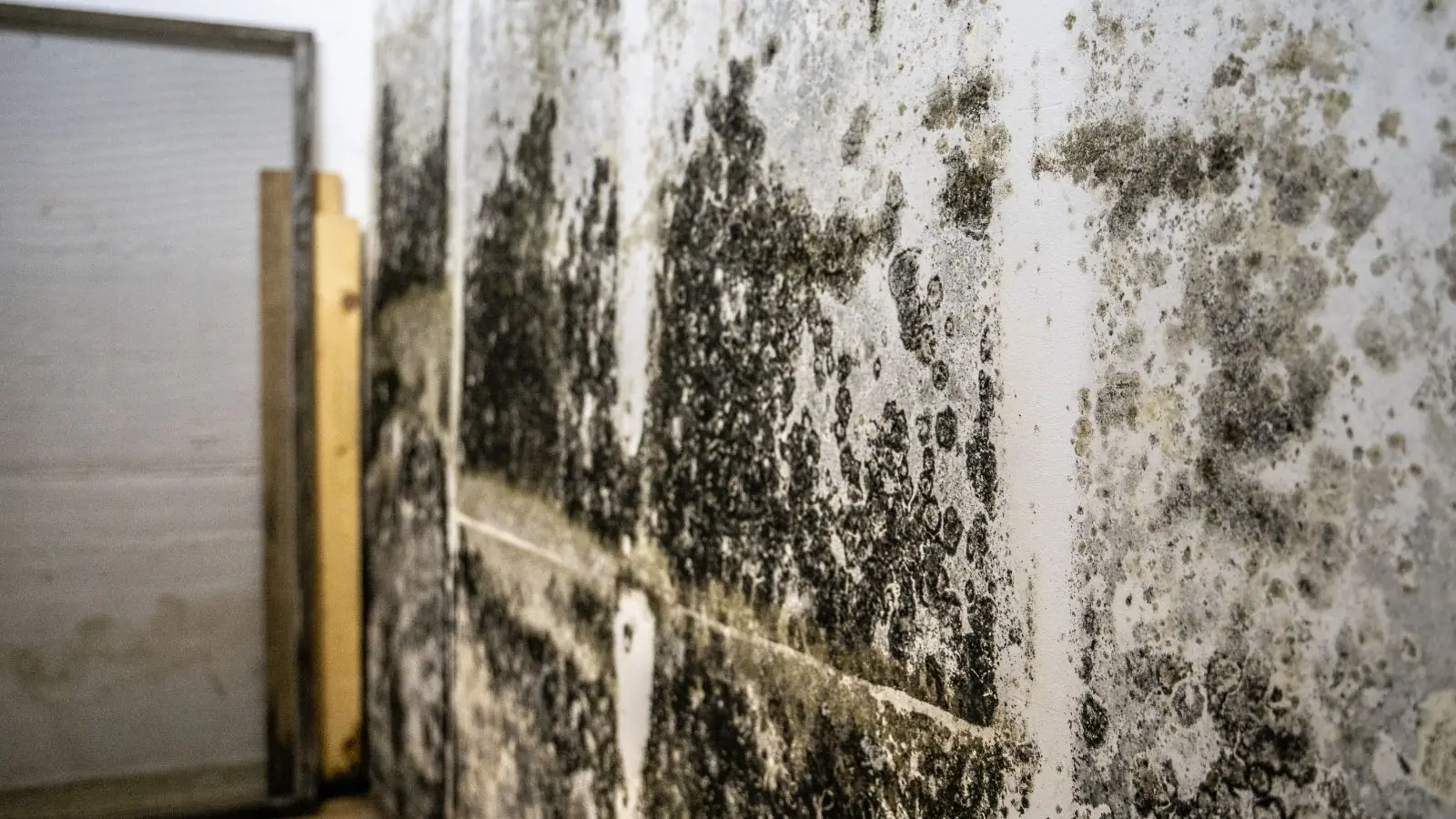
Mitigation Begins With Moisture
Mold needs moisture, organic material and time. Lower levels supply all three more often than other parts of a home, because they are cooler, less ventilated and nearer the ground. Cleaning growth without fixing the moisture only buys a short break.
Mitigation means controlling the conditions that let mold grow, then removing what is affected. The source comes first, the cleanup second and the monitoring third.
What Counts as a Basement in Beverly Hills
Not every home here has a traditional basement. Many have lower levels cut into a slope, garages that open to the downhill side, or subterranean parking in multifamily buildings. The same principles apply to all of them. These spaces sit below or against the earth, so they are subject to groundwater, runoff and slow condensation.
Steps in a Typical Mitigation
Find and fix the moisture source
Plumbing leaks, grading problems, failed drains, window wells and condensation are the common sources.
Assess the extent
Visual inspection and moisture readings show what is affected and what is not.
Contain the area
Plastic barriers and negative air limit the spread of spores during removal.
Remove affected porous materials
Drywall, insulation and carpet with growth are usually removed and bagged.
Clean salvageable surfaces
Framing and concrete can be cleaned, with HEPA vacuuming and damp wiping.
Dry the space
Dehumidifiers and air movers bring humidity and material moisture down.
Verify
Visual checks and moisture readings confirm the area is ready for rebuild.
| Material | Usual outcome | Reason |
|---|---|---|
| Concrete and masonry | Cleaned and dried | Non-porous or hard enough to clean |
| Wood framing | Cleaned, sometimes sanded | Structural, can be cleaned if sound |
| Drywall with growth | Removed | Porous paper facing holds growth |
| Insulation | Removed | Absorbs moisture, hard to clean |
| Carpet and pad | Removed | Holds moisture and growth |
| Stored boxes and paper | Sorted, cleaned or discarded | Paper is porous |
Bleach and Other Shortcuts
The U.S. Environmental Protection Agency states that routine bleach use is not recommended for mold cleanup. Killing mold is not enough, because dead mold can still cause allergic reactions, and it must be removed. Never mix bleach with ammonia-based products.
Painting over growth, using fogging products or running a dehumidifier alone does not remove affected materials. These steps may help with humidity, but they do not replace removal and cleaning.
Mold in your lower level?
Call the 24/7 line. Scope and price are explained before work starts.
Small Areas and Larger Jobs
The EPA's homeowner guidance says areas smaller than about 10 square feet can usually be handled by the homeowner, with precautions. Larger areas, areas with significant water damage, or areas involving sewage need more rigorous measures and often a professional.
Do not disturb a larger area. Sanding, scraping or tearing out drywall can send spores through the house. If the area is large, if you are unsure of the cause or if anyone in the home has a health concern, talk to a professional and a doctor.
Ask About Standards
The IICRC publishes S520, the standard for professional mold remediation. Ask any company you call whether they follow it, how they set up containment and how they verify the area afterward. Get the scope in writing.
After Mitigation
- Keep indoor humidity below about 50 percent where possible
- Run a dehumidifier in lower levels
- Store items on shelves, off the floor
- Fix gutters and downspouts so water moves away from the foundation
- Check for new moisture after rain and after plumbing repairs
No company can promise mold will never return, because moisture can always come back. What good mitigation does is remove the current growth and fix the conditions that fed it.
Humidity Targets and Equipment
The EPA suggests keeping indoor humidity between 30 and 50 percent where possible. In a lower level, a dehumidifier sized for the space can hold humidity in range. A hygrometer, which costs little, shows whether the room is staying dry.
During mitigation, professionals use commercial dehumidifiers and air movers. They also use HEPA air scrubbers inside containment to capture particles released during removal. Ask what equipment will be used and for how long.
Rebuilding After Mitigation
Rebuilding starts only when materials are dry and the source is fixed. Replacement drywall should be installed on dry framing. Consider moisture-resistant boards in lower levels, and keep a small gap at the floor to limit wicking.
Choose flooring that tolerates moisture, such as tile or sealed concrete, rather than carpet on a slab. Keep stored items off the floor on shelving, and leave space between boxes and walls for air.
Timing and Expectations
A lower-level mitigation often takes several days. Containment and removal can be done in a day or two, depending on the area. Drying and verification follow, and rebuild comes after that.
Delays usually come from hidden moisture, access limits or waiting for an insurer. Ask for a written timeline, and ask how changes in scope will be handled if more growth is found behind finished walls.
What to do before a crew arrives: keep the door to the lower level closed, run a dehumidifier if one is already there and move clean items out on a dry route. What not to do: do not sweep, sand or tear out damp material, and do not use bleach mixed with ammonia products.
Hillside Lower Levels and Drainage in Beverly Hills
Many Beverly Hills properties sit on slopes, with lower levels cut into the hillside. Runoff and subsurface water can reach these walls after heavy rain.
The U.S. Environmental Protection Agency notes that controlling moisture is the key to controlling mold. For hillside owners, that often means checking drains, subdrains, gutters and grade, and fixing blocked drains before the rain.
Source type: U.S. Environmental Protection Agency mold guidance
Basement mold questions
Usually not when growth is visible. The EPA says sampling is generally unnecessary if mold is visible. Testing can help confirm a cleanup afterward.
Small areas under about 10 square feet can often be handled with precautions. Larger areas, water damage or sewage call for a professional.
Blocked subdrains, clogged gutters, poor grade and cracked walls are common. Check them before a forecast storm and again afterward.
Our mold remediation page explains the process, and water mitigation covers the drying side. We also serve West Hollywood, and the service area page lists where crews are sent.