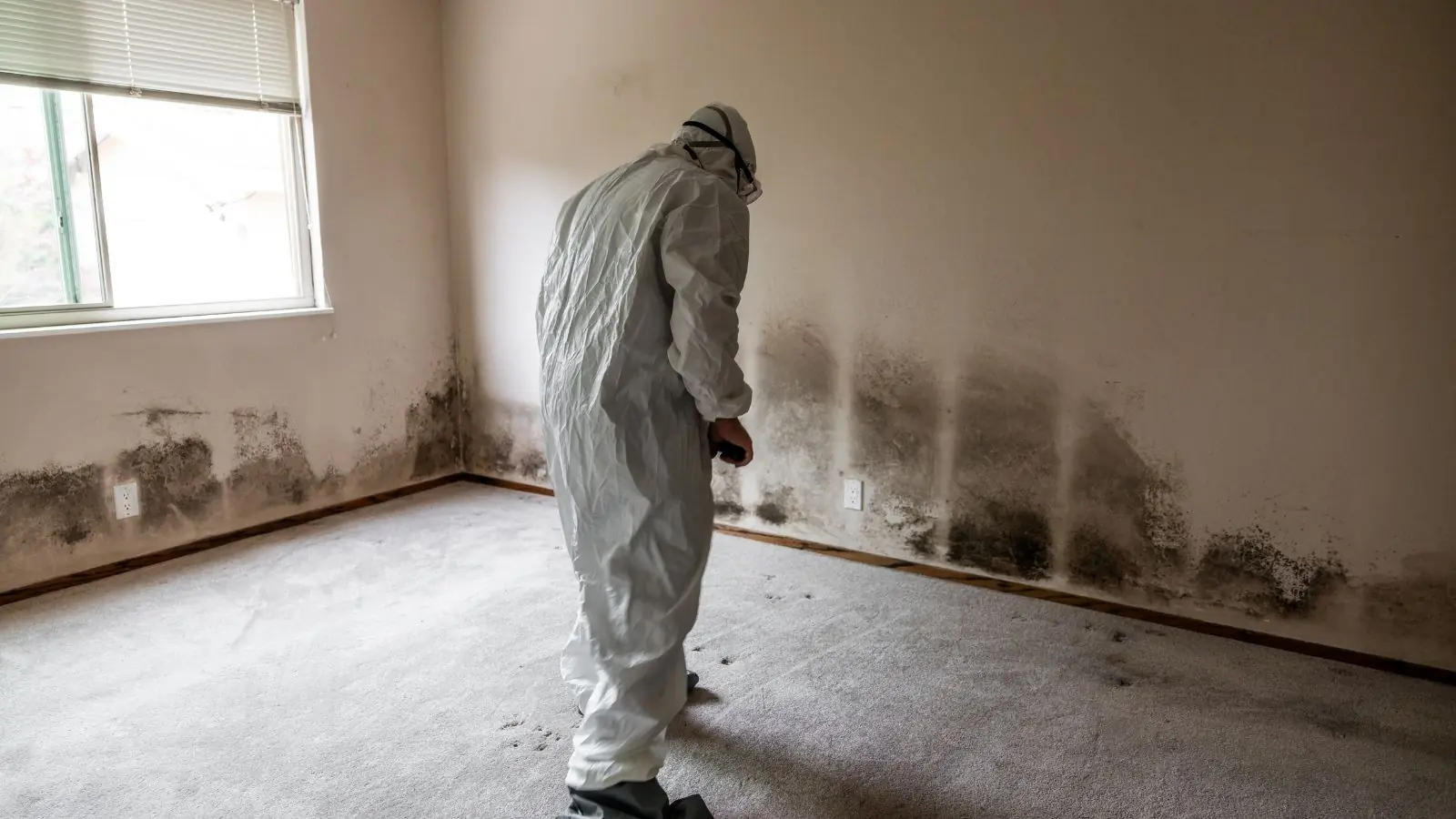
Start With Moisture, Not a Test Kit
Mold needs moisture, so the best detection method is finding moisture. A home with no leaks, normal humidity and dry materials does not usually grow mold. A home with a hidden leak can.
Walk the property with moisture in mind. Look for water stains, peeling paint, warped trim and damp odors. Check around windows, under sinks, behind toilets, in closets on exterior walls and in lower levels.
A Practical Inspection Route
| Area | What to check | Warning signs |
|---|---|---|
| Bathrooms | Grout, caulk, ceiling, fan | Dark spots, soft walls, loose tile |
| Kitchen | Under sink, dishwasher, refrigerator line | Stains, warped cabinet bottoms |
| Laundry | Hoses, drains, floor | Damp floor, rusted fittings |
| Lower levels and garages | Walls, floors, stored items | Efflorescence, damp boxes, odor |
| Windows | Sills, frames, corners | Condensation, stains |
| Attic and roof lines | Underside of roof, vents | Dark staining, damp insulation |
| HVAC | Drain pan, coils, ducts | Musty smell when running |
Tools That Help
- A moisture meter to check walls, floors and framing
- A hygrometer to track indoor humidity
- A flashlight and mirror to see behind and under fixtures
- A thermal camera, which can show cool, wet areas behind surfaces
- A borescope, in the hands of a professional, to look inside walls
These tools show moisture, not mold itself. A moisture reading above normal means a risk. It does not prove growth.
What Testing Can and Cannot Do
Sampling is generally unnecessary when growth is visible, according to the EPA. Because no federal limits exist for mold or spores, a lab number cannot be checked against a legal standard.
Testing is more useful in a few cases. It can help confirm that a cleanup worked, or locate hidden growth when there is odor but no visible source. It should be planned and read by experienced professionals, not by a home kit alone.
Want moisture readings taken?
Call the 24/7 line. Scope and price are explained before work starts.
Clearance for a Sale or a Loan
Buyers, lenders and insurers sometimes ask for proof that a mold problem was addressed. A clearance usually involves a visual inspection, moisture readings and sometimes air or surface sampling by an independent party after the work is done.
Using someone other than the company that did the cleanup avoids a conflict of interest. Ask what the clearance report will include, and save it with your records.
Disclosure When You Sell
If you are selling, ask your real estate agent or an attorney what must be disclosed about past water intrusion or mold. The rules turn on what you know and on the forms used in your sale, so get advice before you list.
Keep drying logs, repair invoices and any clearance reports. They show what happened, what was fixed and when.
If You Find Growth
Do not disturb it
Avoid brushing or sanding, which can spread spores.
Find the moisture
Fix the leak or condensation source.
Dry the space
Use dehumidifiers and fans.
Size the problem
Small areas on hard surfaces may be cleaned. Larger or hidden areas need a professional.
Document
Photograph the area and record moisture readings.
Verify afterward
Check for odor, new moisture and growth over the following weeks.
Hiring an Inspector
If you want an outside opinion, hire an inspector who is independent of any cleanup company. Ask about their training, what they will inspect and whether they take moisture readings. Ask what the report will say and whether it will include photos.
Be cautious if an inspector wants to sell you the remediation. An independent report is more useful for a sale, a loan or an insurance discussion, because the inspector has no stake in the scope of work.
A Seasonal Checklist
- Before a forecast storm, check gutters, drains and the roof
- After heavy rain, look at lower walls and garages
- Each spring, inspect under sinks and around water heaters
- Each year, check caulk in showers and around windows
- Replace washing machine hoses every few years
A short seasonal check catches most problems before they spread. Write down what you find, and fix leaks as soon as you see them.
What Counts as a Warning Sign
A single stain on a ceiling is not an emergency, but a stain that grows is. A musty smell in one closet is a clue, and a smell that spreads through the house is a stronger one. Look for patterns over time, not one-off marks.
Pay attention to changes after events. A new smell after heavy rain, a stain after a plumbing repair or warped trim after a long vacation all point to moisture. When in doubt, take readings before covering or cleaning the area.
What to do if you suspect growth: stay calm, note where and when you saw it, and call for an assessment. What not to do: do not poke into stained drywall, run fans across it or spray cleaners that mix, since that can spread material and hide the cause.
Permits and Records for Beverly Hills Homeowners
Rebuild work after mold removal may require permits, depending on scope. The City of Beverly Hills Community Development Department can tell you which repairs need approval.
Keep permit records, drying logs and invoices together. They support insurance claims and later sales. The California Department of Insurance notes that flood damage is usually excluded from standard homeowners policies, so confirm your coverage as early as possible.
Source type: City of Beverly Hills Community Development Department and California Department of Insurance guidance
Detection questions
Find moisture first. Visual checks, a moisture meter and attention to odors are more useful than a home test kit for most homes.
Not necessarily. Disclosure requirements depend on what you know. Ask your agent or attorney, and keep records of any repair or clearance.
They can show that spores exist, which is normal indoors and outdoors. They do not tell you the source, the amount or whether the level is a problem.
If you find growth, see mold remediation and water mitigation. We also serve West Hollywood, and our service area page shows the full coverage list.